


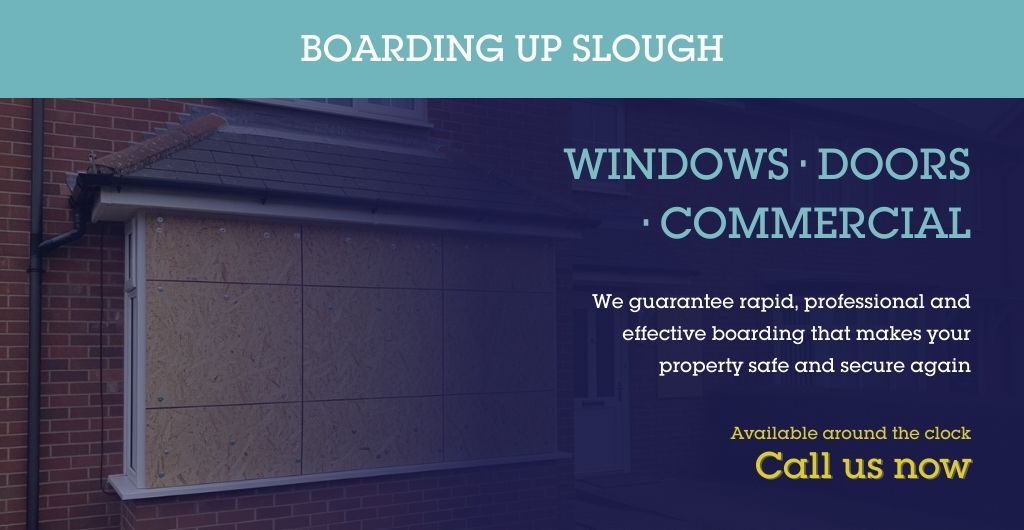
Vacant Property Boarding Up in Slough (SL) — Secure Empty & Void Buildings
Vacant property boarding up in Slough is often needed when a building is between tenants, going through probate, awaiting refurbishment, or has been left vulnerable after a break-in. Empty properties can attract unwanted attention quickly—especially if there are visible signs like a smashed pane, a loose door, or mail building up.
At Boarding Up Slough, we secure void and vacant buildings across the SL postcode area with practical, insurer-friendly methods: from straightforward plywood boarding to temporary steel doors and longer-term security screens. If you need urgent help because the property has already been targeted, use our emergency boarding up service.
To book an inspection or discuss the best way to secure a vacant building: Call 01753 379 919 or email [email protected].
Why vacant properties in Slough need securing sooner than people expect
Slough has a real mix of building types—1930s semis, post-war terraces, town centre flats, and a lot of light industrial and office stock around trading estates. When a property is empty, problems tend to escalate quickly:
- Opportunistic break-ins after a “for sale” board goes up or scaffolding appears
- Vandalism (especially to rear windows, side alleys, and secluded service yards)
- Squatting risk if access points are easy and the building looks neglected
- Weather damage from a broken window, missing tiles, or a compromised rooflight
- Fire risk if rubbish accumulates or someone gains access and lights a small fire inside
Areas with heavy footfall and transport links can be particularly exposed. For example, empty units near Slough town centre and Slough railway station can be noticed fast; equally, a quiet vacant house near Upton Court Park or along commuter routes like the A4 Bath Road can be targeted because it’s easy to approach and exit.
If you’re not sure what level of protection you need, we can talk it through and recommend the most sensible option—short term or longer term—based on the condition of the openings and how long the property will be unoccupied.
Typical scenarios we see for vacant and void properties (SL0–SL9)
Vacant property work isn’t one-size-fits-all. Here are the most common call-outs we deal with across Slough and the surrounding SL districts:
Between tenancies (landlords and letting agents)
A tenant moves out, and the property is empty for a few weeks while cleaning, repairs, or redecoration takes place. If there’s a damaged window, a weak rear door, or an old garage side access, it can be an easy target.
For domestic properties, our work often involves window boarding in Slough and door boarding to make the building secure until new locks, glazing, or door sets are fitted.
After a break-in at an empty property
Burglars often return if they think nobody is watching. If the frame is damaged, we’ll explain whether we can secure using non-destructive fixing points or whether the surrounding structure needs additional support.
If your situation is specifically burglary-related, see our guidance on securing a property after a burglary.
Probate, long-distance owners, and “empty while selling”
An inherited house can sit empty while paperwork is handled. Often there are gaps in attendance, and small issues (a smashed pane, a loose back gate, a door that doesn’t close cleanly) can become bigger problems.
In these cases, customers often want a tidy, professional finish that still looks “managed” from the street—secure, but not like the property has been abandoned.
Refurbishment projects (builders on site)
Renovation can temporarily make buildings easier to enter—especially if internal doors are removed, windows are out for replacement, or scaffolding creates access to upper levels. We can board up vulnerable openings and return later to remove boarding when works are complete.
If you’re managing multiple trades, we can provide straightforward documentation and photos to keep everything accountable.
Vacant commercial units and small industrial buildings
Empty shops and units can be hit hard—particularly where there’s a glass frontage or rear service access. If the risk is ongoing or the void period will be months, we’ll usually recommend a stronger option than basic plywood, such as a temporary steel door or steel security screens depending on the layout.
For retail glazing, see shopfront boarding.
How we board up vacant properties (and how we choose the right method)
We use a practical approach: secure the opening properly, don’t create unnecessary damage, and make it difficult to tamper with from outside.
1) Assess access points and the condition of the frames
On vacant buildings, the weakest points are often not the obvious ones. We routinely check:
- Rear and side windows (often hidden from view)
- Old timber doors with tired frames
- Ground floor bathroom/kitchen windows
- Fanlights, small panes, and vulnerable glazed panels
- Garage side doors and alleyway gates (where they affect access to the building)
If a frame is too rotten, split, or fire-damaged to take fixings safely, we’ll tell you before proceeding and explain the options.
2) Board material selection: plywood vs OSB
We typically use:
- 18mm exterior-grade plywood for stronger, more durable protection (common for larger windows/doors and higher-risk locations)
- 12mm OSB where appropriate for smaller openings or short-term cover
The goal is to make the property secure and weather-resistant without creating additional issues like trapping moisture unnecessarily.
If the building needs to be left vented (for example after water damage), we can discuss options that keep security high while avoiding sealing the building “too tight”.
3) Fixings and anti-tamper methods
For vacant properties, the method matters as much as the board:
- Anti-tamper fixings help prevent removal from outside
- Through-bolting may be used where appropriate for strength (especially on larger openings)
- Non-destructive fixing can be possible depending on the reveal and frame condition—useful where owners are trying to avoid extra repair costs
We aim to keep the installation neat, flush, and difficult to prise.
4) Temporary steel doors and longer-term protection
If a property is going to be empty for months (or it’s already been targeted), a boarded-up timber door isn’t always the best solution. We may recommend a temporary steel door—a robust, lockable steel door set designed for securing vacant properties.
Where a building has repeated issues, we can also discuss steel security screen options as a longer-term measure.
For door security options, start here: door boarding.
5) Roof openings and skylights (often overlooked on voids)
Vacant buildings can be vulnerable from above—especially if there’s a flat roof, an accessible extension roof, or older rooflights. If you’ve had tiles slip in bad weather or a skylight has been smashed, we can secure it as part of roof boarding.
If the damage is storm-related, our storm damage guidance explains what to do next.
What you get from us (useful for landlords, agents, and insurers)
When we secure a vacant property, we focus on making it easy for you to manage the next steps. You can expect:
- A clear description of what was secured (which openings, what materials, fixing method)
- Time-stamped photos before and after, where possible
- An itemised invoice and work statement suitable for property files or claims
- Practical advice on next steps (glaziers, locksmiths, further security options)
We’re not loss adjusters and we can’t approve claims, but we can provide the documentation insurers typically ask for. See insurance claims support for guidance on what to keep.
Vacant property security across Slough and the SL postcode area
We cover Slough and surrounding SL areas, including residential streets, town centre blocks, trading estates, and village properties where empty homes can be isolated.
Common areas we’re called to include:
- boarding up in Slough (including SL1–SL3)
- boarding up in Langley (often landlord and family homes between tenancies)
- boarding up in Cippenham (mixed housing and local parades)
- boarding up in Wexham (residential and some institutional buildings)
- boarding up in Burnham (SL1 edge, commuter housing and small commercial units)
If you manage a portfolio, we’re happy to standardise the approach across multiple sites (materials, fixings, photo documentation) so your files stay consistent.
A realistic example: securing a void flat near Slough station
A managing agent had a first-floor flat sitting empty near Slough railway station, with refurbishment planned but delayed. The communal entrance was secure, but a rear-facing window had been left cracked and could be forced from the outside via an easily accessible flat roof.
We attended, photographed the damage, and installed an exterior-grade plywood board with anti-tamper fixings to secure the opening properly. We also flagged that the surrounding timber frame was soft in places—fine for temporary fixing, but likely to need repair before new glazing. The agent received a clear work statement and photos for their file, and the flat was secured while the refurbishment timeline was confirmed.
Practical steps if your vacant property has been damaged
- If there’s been a crime, call the police first and keep your reference number.
- Take photos if it’s safe (don’t enter if you suspect someone is inside).
- Call us to secure the openings so the problem doesn’t escalate.
- Notify your insurer early if you plan to claim—especially for burglary or storm damage.
- Plan the next trade (glazing/locksmith/roofing) once the property is secure.
If the issue is urgent or out of hours, use our 24 hour boarding up page to get help quickly.
FAQs — vacant property boarding up in Slough
How long can a vacant property stay boarded up?
It depends on the method and your plans. Plywood/OSB boarding is usually suitable for short-term protection while repairs are arranged. If a property will be empty for longer, a temporary steel door or longer-term screening can be a better fit. We’ll explain the pros and cons before installing.
Do you handle vacant commercial units as well as empty houses?
Yes. We regularly secure empty houses, flats, shops, and light industrial units across SL. For large frontages, shopfront boarding is typically the right solution.
Is boarding up covered by insurance for vacant properties?
Sometimes—especially after burglary, vandalism, storm, fire, or an impact incident. Policies vary (and vacant property conditions can be stricter), so it’s best to check with your insurer. We can provide photos and an invoice to support a claim—see insurance claims support.
Can you secure a property if the door frame is badly damaged?
Usually, yes—but the method may change. If the frame can’t take fixings safely, we’ll talk you through alternatives such as additional reinforcement or a temporary steel door solution. We won’t proceed with a method that’s likely to fail.
We have an empty unit in Slough town centre—can you help out of hours?
Yes. If the property is vulnerable and needs urgent securing, use our emergency boarding up service and we’ll prioritise attendance based on risk and safety.
Helpful Links
- 24 hour emergency boarding up in Slough
- window boarding in Slough
- door boarding in Slough
- shopfront boarding in Slough
- insurance claims support
- areas we cover
Ready to get started? Call 01753 379 919 or email us for a free, no-obligation quote.
